
Unpatched methods go away doorways wide open for attackers to take benefit of weaknesses. In an period the place cyber threats are more and more subtle, understanding this role is vital for anybody who relies on digital expertise for personal or enterprise use. When a device starts, the RoT verifies its state in opposition to recognized trusted configurations. If any discrepancies arise, it could possibly halt the boot process or alert users about potential threats. As we dive deeper into this important matter, you’ll uncover how the Hardware Root of Belief not only protects in opposition to frequent vulnerabilities but also paves the way for developments in secure expertise.
- As A Substitute of assuming software is safe, the gadget checks whether or not each layer matches what is anticipated.
- Many modern vehicles use a Trusted Platform Module (TPM) to secure sensitive information, like keys and personal data.
- These misleading tactics trick customers into revealing delicate info.
Widespread Threats And Vulnerabilities In Cybersecurity
Another case comes from enterprise servers using Safe Boot processes. These techniques validate firmware earlier than it hundreds, making certain only authentic software runs throughout startup. Corporations implementing this know-how have reported significant reductions in breach incidents.

Fast-track Onboarding A Brand New System Or Account Recovery
When a system starts up, Safe Boot checks each piece of code against a database of known good signatures. If any code doesn’t match these signatures, the boot course of halts immediately. This prevents malicious software from loading and compromising the system.
What’s Human Danger Administration (hrm)?
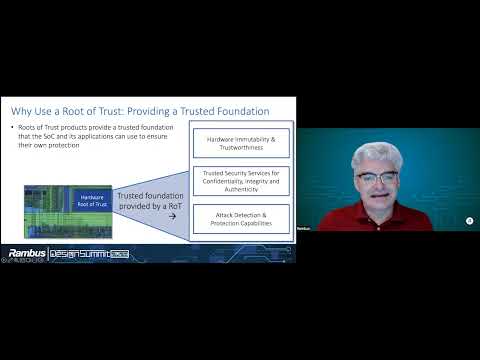
It makes assaults corresponding to firmware tampering, key theft, and system https://carrydel.com/ spoofing more durable to carry out at scale. As growing numbers of IoT units come online, most shall be uncovered to remote software program attacks and a few may also need to mitigate hacks where the attacker is bodily current. In addition to tRoot, our SRAM Bodily Unclonable Operate (PUF) technology supplies a novel and secure approach to generate device-specific cryptographic keys. By leveraging the inherent bodily variations in silicon, SRAM PUF creates keys which might be distinctive to each device and don’t have to be saved in reminiscence, additional enhancing security. By integrating these core capabilities, RoT offers a strong foundation for securing gadgets throughout their lifecycle, addressing each software and hardware threats.
If attackers can alter boot firmware, extract non-public keys, or impersonate a trusted device, higher-level security controls can fail. Synopsys offers industry-leading options to implement a Hardware RoT in fashionable techniques. Our tRoot Hardware Safe Modules (HSMs) present a versatile and extremely configurable RoT solution that integrates seamlessly into quite a lot of purposes, from IoT devices to automotive techniques. By implementing safe data dealing with protocols, customers are given full management over their results, that are saved in secure databases exclusively owned by them. This ensures full information sovereignty and eliminates any danger of vendor or provider access.
This sequential verification process establishes the chain of belief, guaranteeing that each software component originates from a trusted supply and has not been modified since it was signed. The Root of Trust (RoT) is a safe and trusted start line built into hardware or firmware that forms the inspiration for all security operations in a tool. When a tool powers on, the RoT verifies that the firmware and software program are authentic and haven’t been tampered with, making certain that only trusted code runs. As cyber threats evolve, Hardware Root of Belief presents a proactive approach to safeguarding crucial methods. Its implementation creates layers of safety that conventional software solutions simply can’t match. This course of prevents unauthorized code from executing, blocking potential attacks proper on the gate.
The RoT’s secure storage and crypto functions should be ready to deal with the keys and trusted processing necessary for authentication of the device, verifying claims and encrypting or decrypting data. As platforms throughout data center, compute and infrastructure environments prepare for the transition to Post‑Quantum Cryptography (PQC), securing system belief from first power‑on has become critical. Our platform root of belief controllers assist you to tackle rising cybersecurity mandates such as CNSA 2.zero and the European Cyber Resilience Act (CRA) by anchoring safety directly in hardware.
With miniOrange’s Identification and Access Management (IAM) solutions, backed by Zero Trust principles, Root of Trust attacks could be simply avoided. Here are confirmed methods to evade Root of Belief attacks for CISOs and the software program development teams. If any of the above is compromised by hackers, every little thing, together with VPNs, Multi-Factor Authentication (MFA), browsers, and OS, may be put into chaos. OpenAI mandates hardware-backed passkeys for Trusted Entry for Cyber members.