
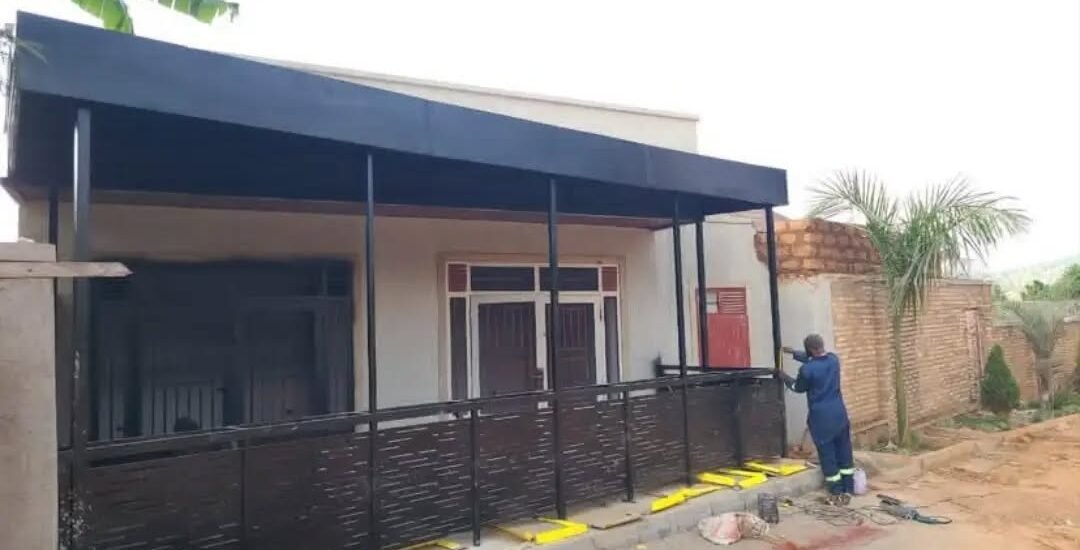
Aluminium vs. Steel Balustrades: Which Is Right for Your Project?
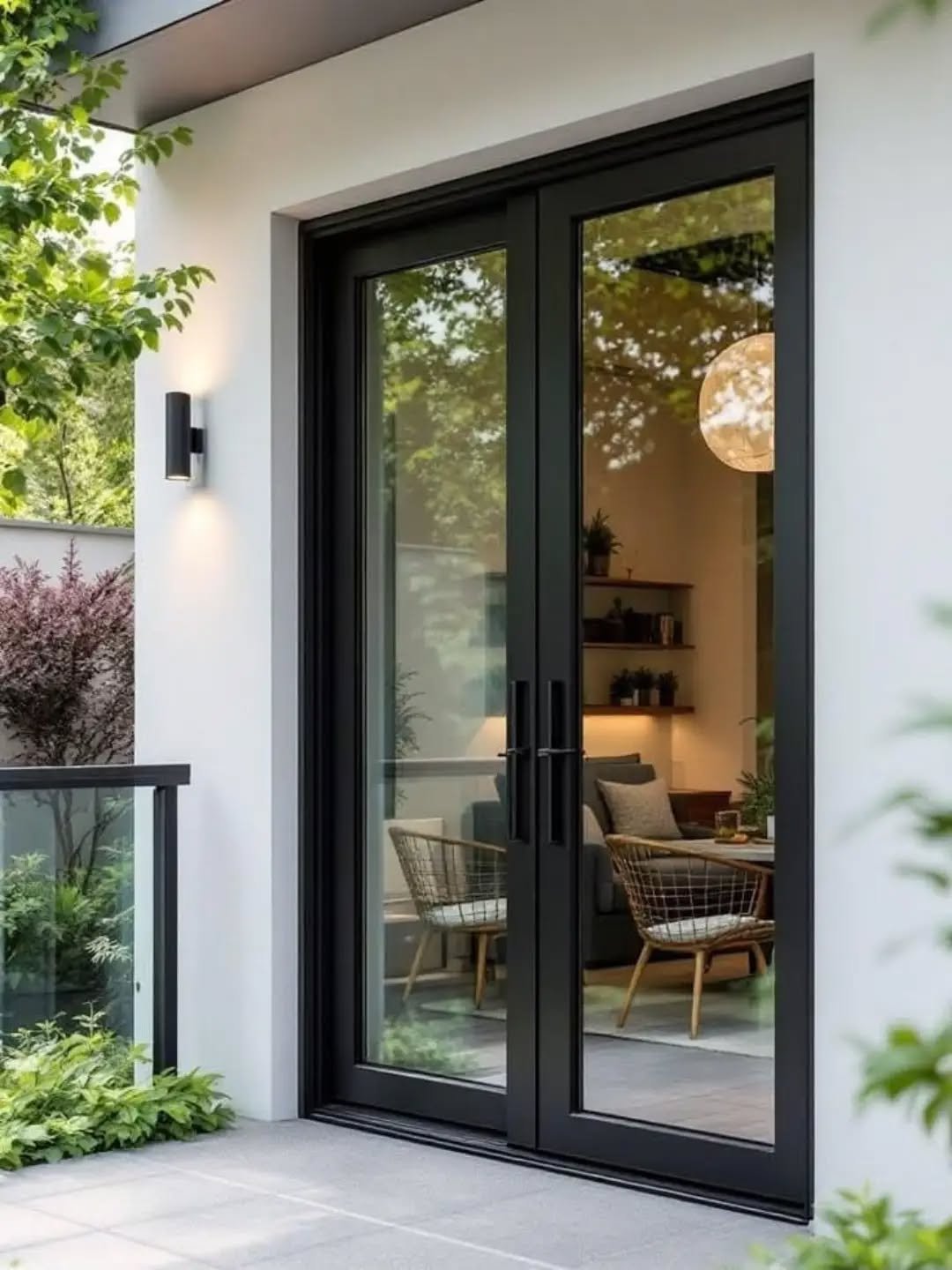 When choosing a balustrade for a building, balcony, staircase, terrace or commercial space, the material matters just as much as the design.
Two of the most common options are aluminium and steel balustrades. Both offer durability, modern aesthetics and a wide range of design possibilities. However, they perform differently when it comes to strength, weight, corrosion resistance, maintenance and installation.
So, which one is right for your project?
The answer depends on where the balustrade will be installed, how it will be used and what performance you expect over time.
1. Strength and Structural Performance
Steel is known for its high strength and rigidity. This makes it particularly suitable for applications where the balustrade may be exposed to heavy loads, frequent use or higher impact requirements.
For commercial, industrial and high-traffic environments, steel can provide the robust structural performance required when properly designed and fabricated.
Aluminium is lighter and has lower strength than steel, but that does not mean it is unsuitable for balustrades. With the correct alloy, profile, wall thickness, connections and engineering, aluminium systems can provide reliable performance for many residential and commercial applications.
If maximum strength and rigidity are a priority, steel may be the more appropriate option.
2. Weight and Installation
One of the biggest differences between the two materials is weight.
Aluminium is significantly lighter than steel. This makes aluminium balustrades easier to transport, handle and install, particularly on projects where access is difficult or where reducing the load on the supporting structure is important.
Steel, on the other hand, is considerably heavier. While this can contribute to a solid and substantial feel, it can also require more effort and equipment during transportation and installation.
For projects where installation efficiency and reduced structural weight are important, aluminium can offer a practical advantage.
3. Corrosion and Weather Resistance
The environment in which your balustrade will be installed is an important consideration.
Aluminium naturally forms a protective oxide layer, giving it good resistance to corrosion without relying on the same type of protective coating required by ordinary steel. This makes aluminium particularly suitable for many outdoor and humid environments.
Steel can also perform extremely well outdoors, but it generally needs an appropriate corrosion-protection system such as galvanising, painting or powder coating. Damage to the protective coating can expose the underlying steel to corrosion.
For exterior projects, especially in humid or aggressive environments, material selection and surface treatment should therefore be considered carefully.
4. Maintenance Requirements
Maintenance is another factor that should be considered beyond the initial installation cost.
Aluminium generally requires relatively little maintenance. A properly finished aluminium balustrade can usually be maintained with routine cleaning and periodic inspection.
Steel requires more attention to its protective finish. Any scratches, chips or damaged areas should be addressed to prevent corrosion from developing and spreading. Depending on the environment and protective system used, steel may require additional coating maintenance over its service life.
This means that the cheapest material at the beginning is not necessarily the material with the lowest maintenance requirements over the long term.
5. Design and Appearance
Both aluminium and steel can be used to create modern and architectural balustrade systems.
Steel is particularly well suited to strong, bold and industrial-looking designs. It can also be fabricated into customised shapes and detailed forms.
Aluminium offers a clean, contemporary appearance and can be finished in a wide range of colours and surface treatments. Powder coating and other finishing options allow the balustrade to complement different architectural styles.
Both materials can also be combined with elements such as:
- Glass panels
- Vertical or horizontal bars
- Custom profiles
- Decorative elements
- Handrails
- Contemporary minimalist designs
The final appearance depends not only on the material but also on the quality of fabrication, finishing and installation.
6. Cost: Look Beyond the Initial Price
Budget is naturally an important part of any construction project.
Steel can have an attractive initial material cost, particularly for applications where high strength is required. However, the overall cost should also take into account fabrication, transportation, installation, corrosion protection and future maintenance.
Aluminium may have a higher material cost in some applications, but its lighter weight, corrosion resistance and lower maintenance requirements can influence the total cost of ownership.
For this reason, it is important to compare the complete project cost, rather than looking only at the price per metre.
Aluminium or Steel: Which Should You Choose?
There is no universal answer.
Aluminium may be suitable when you need:
- A lightweight balustrade system
- Good corrosion resistance
- Minimal maintenance
- Easier handling and installation
- A clean, modern appearance
- Flexible colour and finish options
Steel may be suitable when you need:
- High strength and rigidity
- Heavy-duty applications
- High-traffic commercial environments
- Robust structural components
- Custom fabricated architectural designs
- A strong industrial or substantial appearance
The right choice should ultimately be based on the project requirements, environment, structural design, budget and expected service conditions.
Quality Fabrication Matters
Choosing the right material is only one part of the equation.
A high-quality balustrade also depends on accurate measurements, appropriate profiles, professional fabrication, reliable connections, suitable surface protection and correct installation.
Whether the project calls for aluminium or steel, the material should be selected and fabricated according to its intended application rather than simply based on appearance or initial price.
Final Thoughts
Aluminium and steel can both provide durable and attractive balustrade solutions when properly designed, fabricated and installed.
Aluminium offers the advantages of low weight, corrosion resistance and reduced maintenance, while steel provides excellent strength and rigidity for applications where structural performance is a major consideration.
Before making a decision, consider the environment, expected loads, architectural design, maintenance requirements and long-term project objectives.
The right balustrade is not simply the one made from the strongest material — it is the one engineered and fabricated to meet the specific needs of your project.
Looking for a custom aluminium or steel balustrade solution? Speak to our team to discuss your project requirements and find the right specification for your building.